
A Guide to Choosing the Perfect Outfit for Any Occasion in India
Understanding the Occasion
Choosing the perfect outfit begins with a thorough understanding of the occasion at hand. In India, occasions can significantly differ in terms of cultural significance, formality, and social expectations. Recognizing these nuances is essential for selecting an outfit that is not only appropriate but also respectful of the traditions associated with the event.
Common occasions in India often include weddings, festivals, parties, and formal gatherings. Each of these events carries its own set of expectations regarding attire. For instance, weddings are typically grand and vibrant, calling for intricate garments adorned with embellishments. Women may opt for lehengas or sarees, while men frequently choose sherwanis or traditional kurta pajama ensembles. Meanwhile, festivals like Diwali or Holi encourage the wearing of colorful ethnic outfits that embody the spirit of celebration.
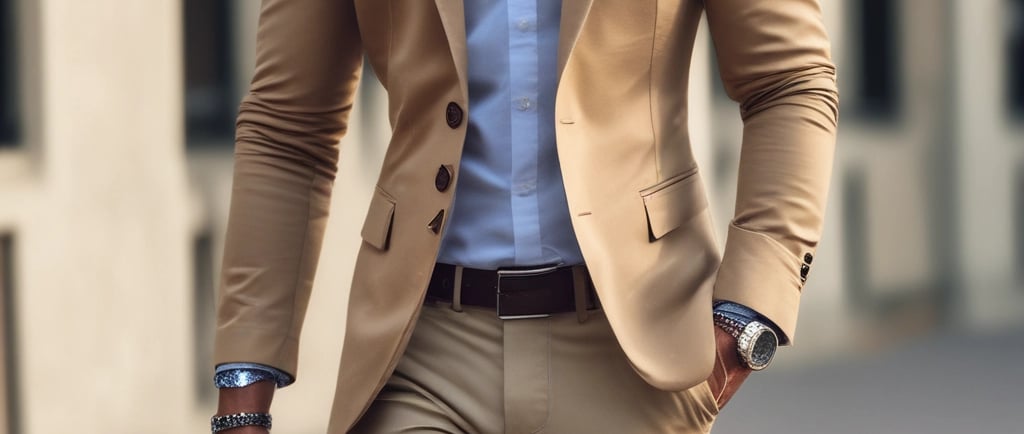
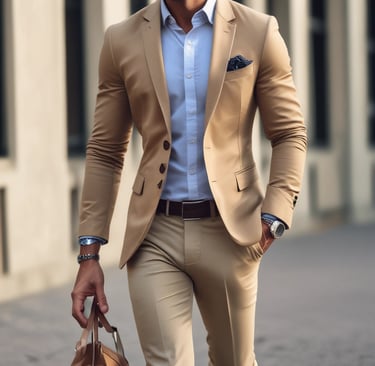
Parties can range from casual get-togethers to more formal affairs. Understanding the level of formality is crucial. For informal gatherings, western casual wear such as jeans paired with stylish tops is widely acceptable. Conversely, formal events—like corporate functions or formal dinners—often necessitate a more polished appearance, where suits or formal dresses become the ideal choices.
When gauging the type of outfit suitable for a particular occasion, one must also consider various dress codes, cultural customs, and regional variations. Some events may have specific guidelines that dictate attire; for instance, black-tie functions require formal wear, while others may favor business casual. Additionally, social expectations, influenced by the locality and community, play a critical role in determining what is seen as acceptable attire. Therefore, being attuned to these factors is vital in making an informed choice regarding outfits for any occasion in India.
Knowing Your Personal Style and Comfort
Understanding personal style is a crucial step in selecting the perfect outfit for any occasion, especially in a diverse country like India where fashion varies widely. Individuals should begin by assessing their body type, as this will significantly influence their clothing choices. For instance, those with hourglass figures may choose to accentuate their curves with fitted outfits, while individuals with a rectangular body type might opt for clothes that create curves, such as peplum tops or flared skirts. Recognizing one’s unique body shape lays the foundation for building a flattering wardrobe.
Another vital aspect to consider is skin tone. Colors can either enhance or diminish one’s appearance, so it’s beneficial for individuals to explore which colors complement their complexion. For example, individuals with warm undertones may look stunning in earthy tones like terracotta and mustard, while those with cool undertones often shine in shades like emerald green and royal blue. Experimenting with different colors can lead to discovering a personal palette that resonates well.
Comfort is equally important when creating an outfit. Fabric choice plays a key role in this regard; some may prefer breathable cotton and linen for a relaxed feel, while others might gravitate towards luxurious silks and chiffons for opulent events. It is essential to select fabrics that not only look good but also feel good, ensuring confidence throughout the day.
Mixing and matching wardrobe pieces creatively can help cultivate a unique style that reflects one's personality. Pairing traditional Indian attire, such as kurtas, with modern elements, like denim or statement accessories, can create an eclectic yet cohesive look. Ensuring comfort while experimenting with styles ultimately leads to showcasing one’s individuality and building confidence in personal style.
Choosing the Right Fabric and Colors
When selecting an outfit for any occasion in India, the choice of fabric and colors holds significant importance. Different fabrics not only provide comfort but also enhance the overall aesthetic and suitability of the attire based on the season and event. For instance, cotton is an excellent choice for the hot and humid summer months, as it allows the skin to breathe while keeping the body cool. On the other hand, silk and chiffon are preferred for formal occasions and festivities, allowing for an elegant and luxurious appearance. Fabrics like linen also work well for casual outings and provide a relaxed but stylish look.
Color selection is another crucial aspect of outfit planning. Colors have the power to evoke emotions and convey specific messages. For instance, red can symbolize passion and assertiveness, while blue often represents calmness and reliability. Understanding color psychology can aid in making informed decisions about which shades to wear for different occasions. For example, wearing darker colors may be more appropriate for formal gatherings, whereas lighter, vibrant hues are suitable for casual outings or summer celebrations.
Moreover, it is essential to choose colors that not only suit the occasion but also complement the individual's personal style and skin tone. Warm skin tones often pair well with earthy shades and vibrant jewel tones, while cool skin tones may look better in blues, greens, and purples. Experimenting with color combinations can also result in visually appealing ensembles. For instance, pairing a mustard yellow with navy blue or soft pastels with darker tones can create a striking balance. Ultimately, understanding both the functional aspects of fabric choice and the expressive qualities of colors can significantly enhance one’s outfit planning and wardrobe. In conclusion, a thoughtful selection of fabric and color can transform an outfit, making it suitable for any occasion in India.
Accessorizing to Elevate Your Outfit
Choosing the right accessories is essential in enhancing an outfit, particularly in a culturally rich country like India, where diverse styles and traditions influence fashion choices. Accessories such as jewelry, bags, and footwear play a pivotal role in complementing an attire, providing an opportunity to express individuality while also aligning with the specific occasion.
When selecting jewelry, consider the significance of the event. For formal occasions such as weddings or religious ceremonies, traditional jewelry pieces like jhumkas or gold bangles can add a touch of elegance and cultural authenticity. Conversely, for casual outings, lighter, contemporary pieces, such as stud earrings or minimalist necklaces, can elegantly accentuate a simpler outfit without overwhelming it. Similarly, bags can serve both functional and aesthetic purposes; choosing a statement bag in a vibrant color can transform a basic ensemble into a chic look.
Footwear is another critical component of accessorizing. Comfortable yet stylish shoes, such as embellished sandals or loafers, can elevate not just the outfit but also your comfort level throughout the day. Strive for a harmonious balance between your shoes and the overall attire, ensuring that they complement rather than clash with your look.
Personalization is key when it comes to accessorizing. Choose pieces that resonate with your style and reflect your personality while being mindful of the overall outfit. Opting for a few statement pieces can create focal points without overwhelming the outfit, allowing for a sophisticated look that remains streamlined and tasteful. Additionally, understanding the cultural context of certain accessories is vital; some items may be more traditionally significant than others and should be chosen judiciously to respect the occasion's sentiments.
In conclusion, accessories are integral to fashion, capable of transforming an outfit into something distinctive and polished. By carefully selecting the right pieces and balancing them appropriately with your clothing, you can effortlessly elevate your style for any occasion in India.
Address
Balagere
Bangalore
India
Contact
+91 9398224045
support@hansurfashionhouse.com
Subscribe to our newsletter
Policies